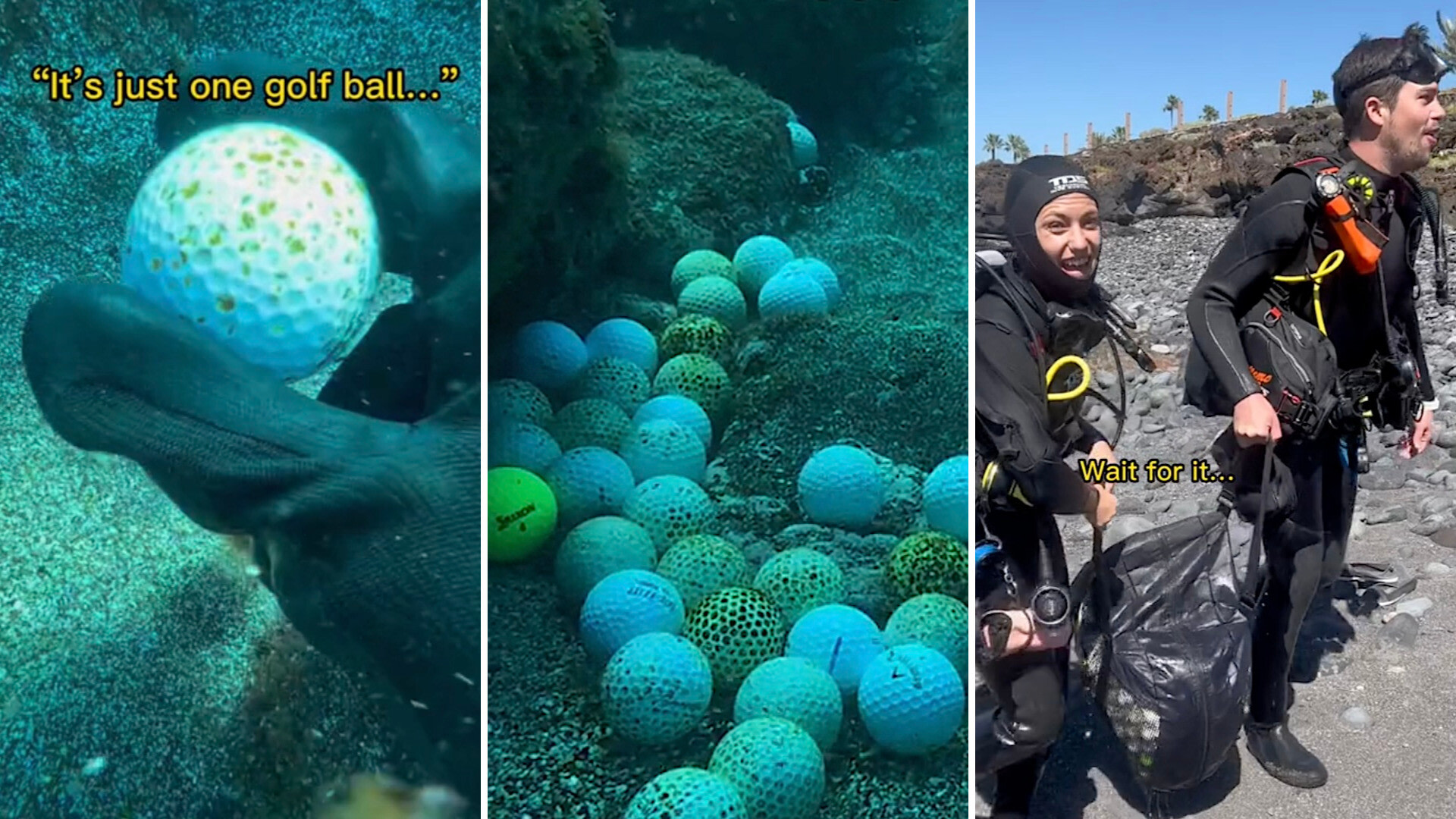
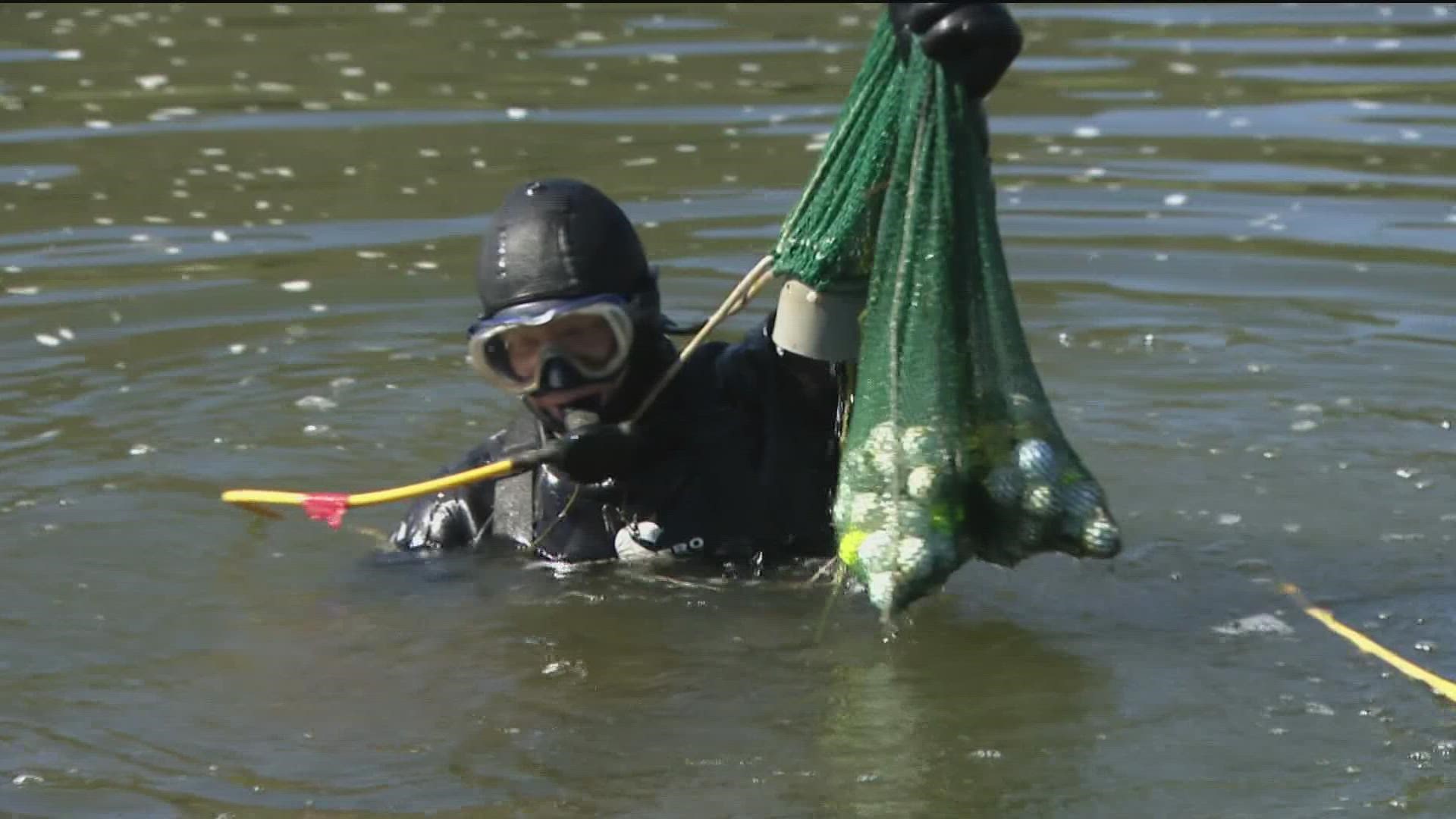
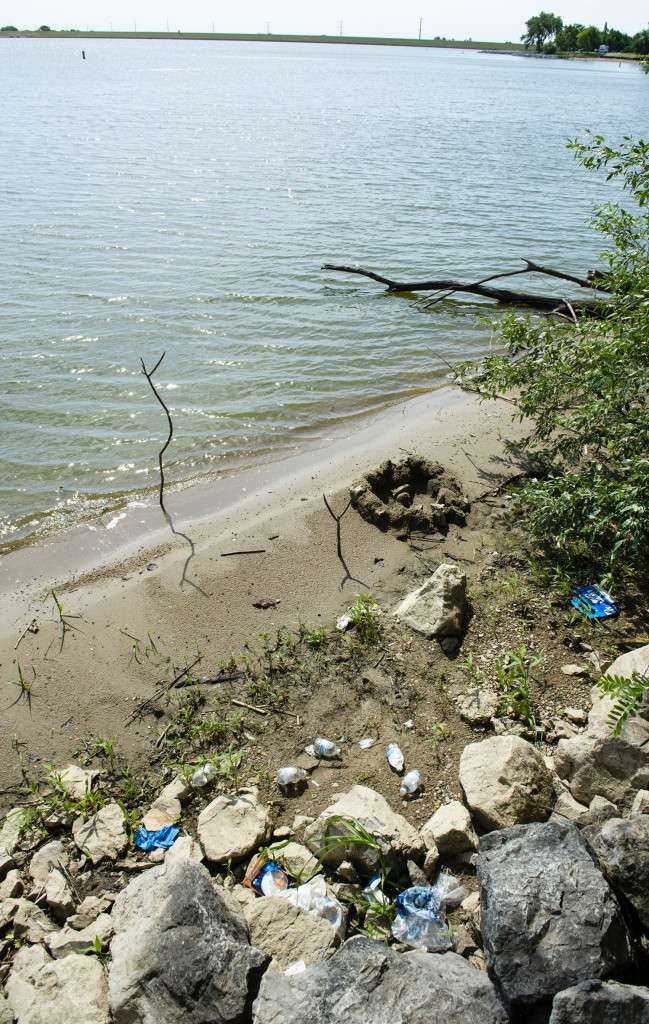
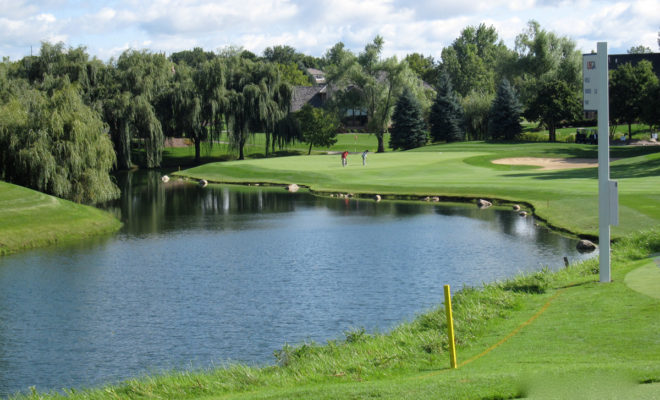
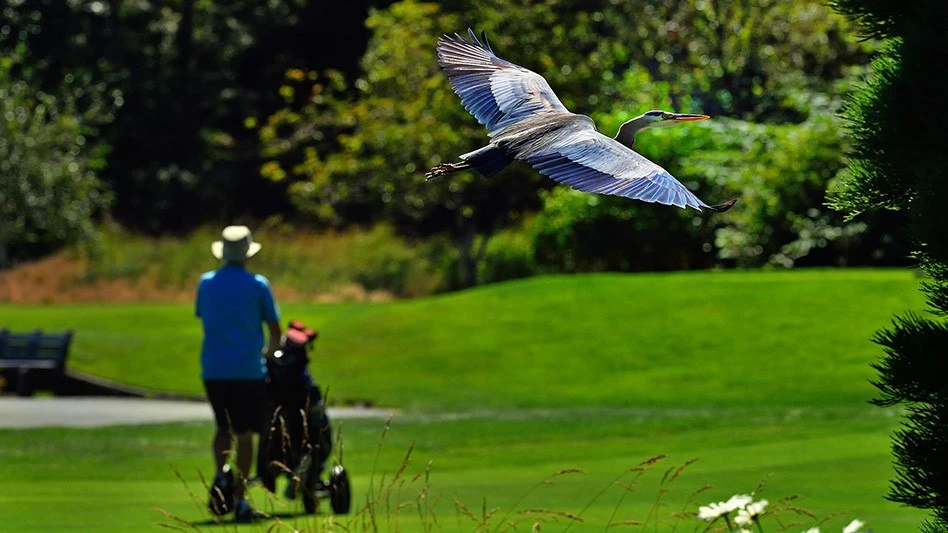
Millions of golf balls enter natural and shared landscapes every year — waterways, wetlands, tree lines, and green spaces — largely unnoticed, untracked, and unmanaged.
This initiative exists to bring awareness to that reality and help change the sport’s trajectory in a positive way.
Golf balls are built to perform — and to endure.
When lost during play, they don’t disappear. Over time, they can accumulate in forests, water hazards, and wildlife habitats, gradually degrading and remaining long after a round is finished.
Most golfers never see this volume.
Most courses were never designed to manage it.
That doesn’t reflect negligence — it reflects how easy the issue is to overlook.
A bucket, a bag, or even just a handful of golf balls — no matter how old, how dirty, or how new — all of it matters.
You don’t need perfect balls, and you don’t need a large quantity. What you already have is enough.
On its own, a small collection may not feel significant. But when combined with contributions from other golfers and community members like yourself — across communities and across the country — those individual actions become something larger: shared awareness, real momentum, and fewer new balls needing to be made in the future.
Keeping balls in play longer helps reduce how many are manufactured, lost, and replaced.
This is how meaningful change begins — collectively, not all at once.
Shared recreational spaces that host repeated activity can quietly change over time.
Equipment, packaging, and durable materials can accumulate gradually, remaining largely invisible until the impact becomes disruptive, costly, or difficult to reverse.
Acting earlier — while solutions are still practical — allows attention and effort to be focused where they matter most.
Golf isn’t the problem.
Golf is the example.
Golf balls are essential to play, produced in enormous numbers, and frequently lost directly into natural environments. When one is lost, play continues immediately — making the long-term ecological cost easy to miss.
Handling golf balls more responsibly allows the sport to:
All without changing how the game is played.
This initiative is designed to support golfers, golf courses, and communities alike.
Participation helps:
Clean golf is good golf.
As awareness grows, conversations follow.
Golfers begin asking questions.
Courses take notice.
Communities engage.
Over time, this can lead to more organized ball recovery, on-course circulation programs, and partnerships that benefit the sport, the public, and the environments golf depends on.
This is a long-term effort built on visibility and cooperation.
Outcomes from this initiative are intended to support practical, design-driven community needs.
A portion of proceeds is directed toward projects selected for their real-world usefulness, efficiency, and dignity — guided by demand and practicality.
This initiative does not involve fundraising or donations.
If you’re interested in participating or learning more, we’d be glad to hear from you.
Get in Touch